



Current measurements
Nowadays, current measurements can usually be divided into current sensors based on the zero-flux principle and current measurements in which the voltage is measured across a low-ohmic resistor with a certain accuracy and stability. This voltage in volts divided by the known ohmic shunt resistance value gives the current value in amperes. This is often referred to as a current shunt.
A current shunt almost always has a relatively low ohmic resistance. This is to minimise the load on the circuit in which it is incorporated. Nevertheless, the shunt will heat up due to I2R. A shunt is therefore often equipped with an additional cooling element or even forced cooling with a temperature sensor.
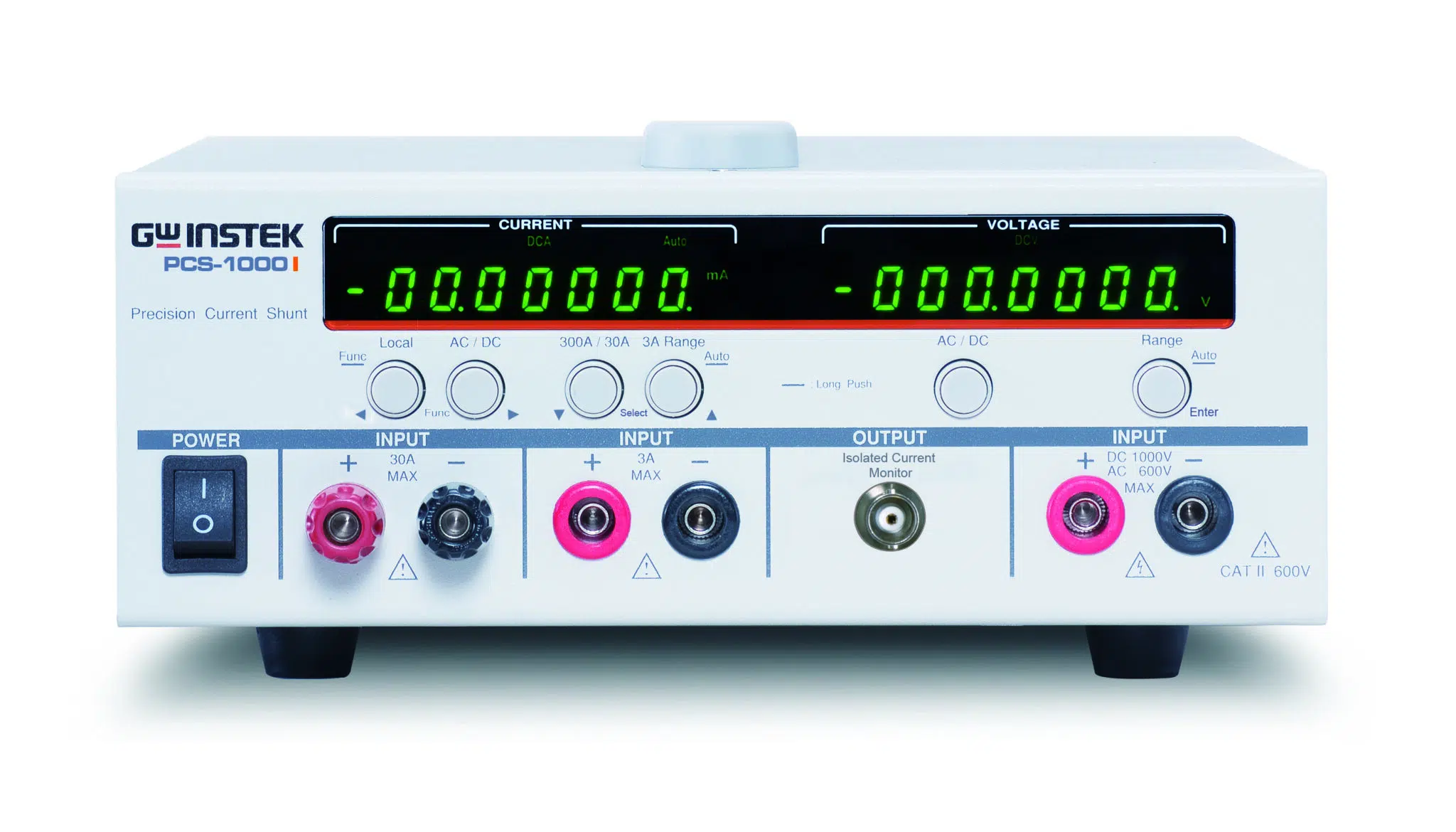
Calibration Consulting has current shunts from Ohmlabs, MI, GW-instek and Clarke Hess. These cover a current range from 30mA to 10,000A.
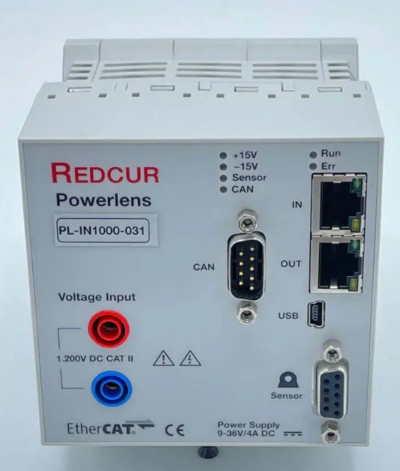
We also offer zero-flux sensors from Signaltec. This measuring principle does not affect the circuit at all and often provides higher accuracy than a shunt. This allows us to achieve a current range from 100A to 5000A. This is also a better measuring principle for higher frequencies.
We also have models from MI, Ohm-Labs and GW-instek with multiple current shunts in a single unit. And for the most accurate units, the shunts are also placed in a temperature-stabilised cabinet.

